Best Foods for Pregnant Women to Support a Healthy Pregnancy
Pregnancy is a special journey that brings many physical and emotional changes. During these months, the body needs extra nutrients to support both the mother and the growing baby. Choosing the right foods for pregnant women can make a big difference in energy levels, baby development, and overall health.
Many mothers wonder what they should eat every day and which foods provide the most benefits. Instead of following complicated diets, it is better to focus on balanced meals made with fresh, wholesome ingredients. This guide explains the essential nutrients, healthy food choices, and simple eating tips that every expecting mother should know.
Why Nutrition Matters During Pregnancy?
A nutritious diet helps the baby’s brain, bones, organs, and immune system develop properly. It also supports the mother’s changing body by reducing tiredness, improving digestion, and helping maintain healthy weight gain.
Eating a variety of nutrient-rich meals is more effective than depending on just one superfood. Every meal should include carbohydrates, proteins, healthy fats, vitamins, and minerals in the right balance.
Essential Nutrients Every Mother Needs
Protein
Protein supports the growth of your baby’s muscles and tissues. Good sources include:
- Lentils
- Chickpeas
- Eggs
- Paneer
- Greek yogurt
- Lean chicken
- Fish with low mercury levels
Iron
Iron helps prevent anemia and improves oxygen supply throughout the body.
Iron-rich foods include:
- Spinach
- Beetroot
- Dates
- Raisins
- Lentils
- Pumpkin seeds
Pair iron-rich foods with vitamin C sources like oranges or lemons for better absorption.
Calcium
Calcium strengthens bones and teeth for both mother and baby.
Choose:
- Milk
- Yogurt
- Cheese
- Sesame seeds
- Ragi
- Almonds
Folic Acid
Folic acid is important during early pregnancy because it supports healthy brain and spinal cord development.
Natural sources include:
- Green leafy vegetables
- Citrus fruits
- Beans
- Avocados
Healthy Fats
Healthy fats contribute to brain development.
Include:
- Walnuts
- Flaxseeds
- Chia seeds
- Nuts
- Seeds
Best foods for pregnant women
A healthy pregnancy diet should include different food groups every day. Some of the most nutritious foods for pregnant women are:
- Fresh fruits
- Seasonal vegetables
- Whole grains
- Millets
- Lentils
- Dairy products
- Nuts
- Seeds
- Eggs
- Healthy homemade snacks
Rotating these foods throughout the week helps ensure a wide range of nutrients.
Healthy Breakfast Ideas
Breakfast is one of the most important meals during pregnancy.
Some nutritious options include:
- Vegetable poha
- Ragi porridge
- Oats with fruits
- Stuffed vegetable paratha with curd
- Sprouts salad
- Fruit smoothie with yogurt
These meals provide energy and help reduce mid-morning hunger.
Midday and Evening Snacks
Healthy snacks help maintain energy between meals.
Try:
- Roasted makhana
- Mixed nuts
- Fresh fruit
- Homemade laddus
- Coconut slices
- Buttermilk
- Boiled corn
Avoid replacing meals with packaged snacks that are high in sugar or unhealthy fats.
Hydration Is Just as Important
Along with eating nutritious meals, staying hydrated is essential.
Drink:
- Water
- Coconut water
- Lemon water
- Fresh fruit juices without added sugar
- Homemade soups
Proper hydration supports digestion and helps reduce constipation during pregnancy.
Foods to Eat in Different Trimesters
The body’s nutritional needs change during each stage of pregnancy.
First Trimester
Focus on foods rich in folate, vitamin B6, and easy-to-digest meals if nausea is common.
Second Trimester
Increase protein, calcium, and iron intake to support rapid baby growth.
Third Trimester
Eat meals rich in fiber, protein, and healthy fats while staying hydrated. Smaller meals may feel more comfortable than large portions.
Choosing balanced foods for pregnant women throughout every trimester helps meet changing nutritional requirements naturally.
Foods That Are Better to Limit
Some foods should be consumed carefully during pregnancy.
These include:
- Raw seafood
- Unpasteurized dairy
- Excess caffeine
- Alcohol
- Highly processed foods
- Sugary drinks
- Deep-fried foods
Always consult your healthcare provider if you have questions about specific foods.
Meal Planning Tips
Simple planning makes healthy eating much easier.
- Eat smaller meals throughout the day.
- Include vegetables in every lunch and dinner.
- Add fruits daily.
- Keep healthy snacks available.
- Cook fresh meals whenever possible.
- Avoid skipping breakfast.
- Listen to your hunger signals.
These habits create a sustainable eating routine instead of following restrictive diets.
Making Healthy Choices Every Day
Good nutrition doesn’t require expensive ingredients. Local seasonal produce often provides excellent nutrition while keeping meals fresh and affordable.
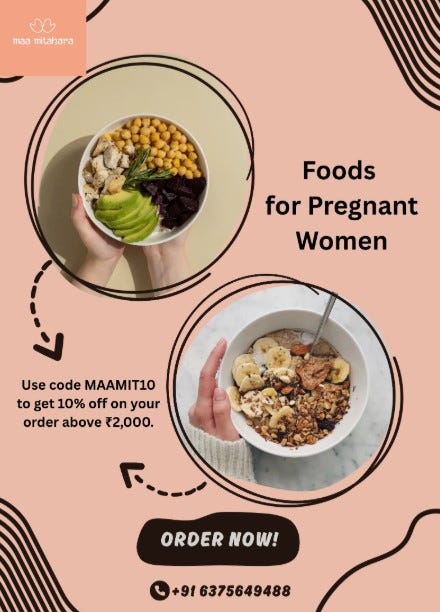
Many mothers also choose traditional homemade snacks prepared with wholesome grains, seeds, and nuts. Brands like Maa Mitahara focus on thoughtfully prepared nutritional options inspired by traditional recipes. However, homemade balanced meals should always remain the foundation of a healthy pregnancy diet.
Learning about foods for pregnant women helps expecting mothers make confident food choices that support long-term health for both mother and baby.
Small Lifestyle Habits That Help
Nutrition works even better when combined with healthy daily habits.
- Sleep for 7–9 hours.
- Stay physically active after medical approval.
- Practice light stretching.
- Reduce stress.
- Attend regular prenatal check-ups.
- Follow your doctor’s recommendations.
A healthy lifestyle and balanced foods for pregnant women together create a strong foundation for a comfortable pregnancy.
Frequently Asked Questions
1. What are the most important foods during pregnancy?
Protein-rich foods, fruits, vegetables, whole grains, dairy products, nuts, and iron-rich foods are among the healthiest choices for expecting mothers.
2. How much water should a pregnant woman drink?
Most women should aim for around 2–3 liters daily, although individual needs vary depending on weather, activity level, and medical advice.
3. Can pregnant women eat homemade snacks?
Yes. Homemade snacks prepared with nutritious ingredients like nuts, seeds, and whole grains can be a healthy addition to a balanced diet.
4. Which fruits are good during pregnancy?
Bananas, oranges, apples, berries, pomegranates, guavas, and mangoes (in moderation) are commonly recommended as part of a balanced diet.
5. Are dairy products important?
Yes. Milk, yogurt, and paneer provide calcium and protein that support healthy bone development.
6. Should I avoid processed foods?
Limiting processed foods is generally a healthier choice because fresh, homemade meals usually provide better nutrition and fewer additives.
Conclusion
Healthy eating during pregnancy is about balance, variety, and consistency. Including nutrient-rich foods for pregnant women every day supports the baby’s growth while helping mothers stay energetic and healthy throughout pregnancy. Focus on fresh ingredients, regular meals, proper hydration, and medical guidance to make informed food choices. Resources from Maa Mitahara can also help mothers learn more about traditional nutrition and wholesome eating practices during this important stage of life. As always, consult your healthcare provider before making significant dietary changes, and remember that every pregnancy is unique. We encourage informed, balanced nutrition that prioritizes the health of both mother and baby.
Read more: https://maamitahara.com/blogs/blog/foods-for-pregnant-women-help-boost-energy


Comments
Post a Comment