How Does Ragi During Pregnancy Third Trimester Help Mothers?
The third trimester is a phase where a mother’s body works harder every single day. As the baby grows rapidly, nutritional needs also increase. Many women start feeling low energy, body pain, leg cramps, sleep discomfort, and frequent hunger during this stage. This is why choosing the right foods becomes very important. One traditional grain that has gained attention for maternal nutrition is ragi.
Known as finger millet, ragi has been part of Indian kitchens for generations. It is rich in calcium, iron, fiber, and essential nutrients that support both mother and baby during the final months of pregnancy. Many families still prefer adding it to daily meals because it is filling, easy to digest, and naturally nutritious.
In recent years, nutrition experts and mothers have started discussing Ragi During Pregnancy Third Trimester because of its overall health benefits. From supporting bone strength to helping maintain energy levels, ragi can be a smart addition to a balanced pregnancy diet.
Why Nutrition Matters More in the Third Trimester?
During the final trimester, the baby experiences major growth and development. Bones become stronger, organs mature, and weight gain becomes faster. At the same time, mothers may face challenges such as:
- Tiredness and weakness
- Back pain and muscle cramps
- Digestive discomfort
- Increased appetite
- Difficulty sleeping
- Iron and calcium deficiency
This is where nutrient-dense foods become important. Instead of eating empty calories, mothers need foods that provide long-lasting energy and nourishment. Ragi is often recommended because it combines several important nutrients in one grain.
Nutritional Value of Ragi:
Ragi is packed with nutrients that are useful during pregnancy. Some of its important nutrients include:
- Calcium
- Iron
- Dietary fiber
- Protein
- Amino acids
- Magnesium
- Complex carbohydrates
Unlike refined snacks, ragi provides slow-release energy. This helps mothers stay active for longer periods without sudden hunger spikes.
Many health-conscious families now include Ragi During Pregnancy Third Trimester in different forms such as porridge, roti, dosa, malt, and laddus.
1. Supports Bone Strength:
One of the biggest benefits of ragi is its high calcium content. During pregnancy, the baby needs calcium for developing bones and teeth. If the mother’s diet lacks calcium, her body may start drawing it from her own bones.
Ragi helps provide natural calcium support. This can help mothers maintain bone health while supporting the baby’s development as well. Women who experience body aches or leg cramps during late pregnancy may also benefit from calcium-rich foods.
2. Helps Maintain Energy Levels:
The third trimester can feel exhausting. Simple daily activities may become tiring because the body is carrying extra weight and supporting rapid fetal growth.
Ragi contains complex carbohydrates that release energy slowly. This helps mothers feel fuller for longer and may reduce sudden tiredness. Instead of sugary snacks that provide temporary energy, ragi offers more stable nourishment.
This is one reason why many women prefer Ragi During Pregnancy Third Trimester as part of breakfast or evening snacks.
3. Good for Digestion:
Constipation is a common issue during pregnancy, especially in the later months. Hormonal changes and reduced physical movement can slow digestion.
Ragi contains dietary fiber that supports better digestion and bowel movement. Fiber-rich foods may help mothers feel lighter and more comfortable during pregnancy. Drinking enough water along with fiber intake is also important.
Adding ragi in balanced portions can support digestive comfort naturally.
4. May Help Maintain Healthy Iron Intake:
Iron is another important nutrient during pregnancy because it supports healthy blood production. Low iron levels may lead to weakness and fatigue.
Ragi naturally contains iron, which makes it a helpful addition to a balanced pregnancy diet. Pairing ragi with vitamin C-rich foods like fruits can help improve iron absorption.
Many Indian households use traditional recipes that combine nutritious ingredients together for better nourishment.
5. Keeps Mothers Full for Longer:
Frequent hunger is very common in late pregnancy. However, constantly eating fried or processed snacks may not provide proper nutrition.
Ragi is filling and satisfying because of its fiber and complex carbohydrate content. It can help mothers avoid unnecessary snacking while still meeting nutritional needs.
This is another reason why discussions around Ragi During Pregnancy Third Trimester have become more common among expecting mothers looking for healthier food options.
Easy Ways to Include Ragi in Pregnancy Diet:
Ragi is versatile and can be included in several tasty ways. Some simple options include:
Ragi Porridge:
A warm bowl of ragi porridge can be comforting and nutritious, especially in the morning.
Ragi Roti:
Soft ragi rotis can be paired with vegetables or dal for a balanced meal.
Ragi Dosa:
A light and easy-to-digest option for breakfast or dinner.
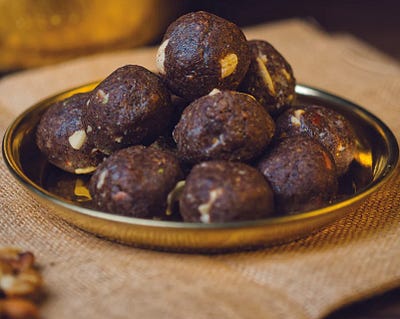
Ragi Laddus:
Traditional ragi laddus are convenient for small hunger cravings during pregnancy.
Many mothers also explore products from Maa Mitahara because they focus on pregnancy-friendly traditional nutrition options.
Things to Remember While Eating Ragi:
Even healthy foods should be eaten in balance. Here are a few important tips:
- Avoid overeating ragi in one meal
- Drink enough water along with fiber-rich foods
- Choose homemade or minimally processed options when possible
- Consult a doctor if you have specific medical conditions or dietary restrictions
Pregnancy nutrition works best when combined with a balanced diet, proper rest, hydration, and medical guidance.
Traditional Foods Are Becoming Popular Again:
Many modern mothers are returning to traditional Indian grains because they are simple, natural, and nutrient-rich. Unlike highly processed snacks, traditional foods often provide better nourishment.
Today, nutrition awareness has increased, and more families understand the importance of wholesome eating during pregnancy. This is why foods like Ragi During Pregnancy Third Trimester are being discussed more often among expecting mothers who want practical and nutritious meal choices.
Brands like Maa Mitahara are also helping revive traditional pregnancy foods in convenient forms for modern lifestyles.
Can Ragi Be Taken Daily During Pregnancy?
In moderate quantities, ragi can generally be included regularly as part of a balanced diet. However, the quantity may differ from person to person depending on nutritional needs and digestion.
Some mothers prefer having ragi in breakfast, while others use it as an evening snack. The key is variety and balance. Pregnancy diets should include multiple nutrients from different food groups.
Adding Ragi During Pregnancy Third Trimester thoughtfully can support overall wellness when combined with healthy lifestyle habits.
FAQs:
1. Is ragi safe during the third trimester of pregnancy?
Yes, ragi is generally considered safe when consumed in balanced amounts as part of a healthy pregnancy diet.
2. Why is ragi beneficial in late pregnancy?
Ragi contains calcium, iron, fiber, and complex carbohydrates that may help support energy, digestion, and bone health.
3. Can ragi help with constipation during pregnancy?
Its fiber content may support better digestion and bowel movement, which can help reduce constipation discomfort.
4. What is the best time to eat ragi during pregnancy?
Many women prefer it during breakfast or evening snacks because it keeps them full for longer.
5. Can I eat ragi laddus during pregnancy?
Yes, homemade or balanced ragi laddus can be a convenient snack option in moderation.
6. Does ragi help with weakness during pregnancy?
Because it provides slow-release energy and contains iron, ragi may help support overall energy levels.
Conclusion:
The third trimester is a crucial stage where mothers need extra nourishment and care. Choosing nutrient-rich foods can make a real difference in supporting comfort, strength, and overall well-being during pregnancy. Ragi stands out because it combines calcium, fiber, iron, and natural energy in one traditional grain.
From supporting digestion to helping mothers stay fuller for longer, Ragi During Pregnancy Third Trimester can be a practical addition to a healthy diet. Simple traditional foods are often the most effective when included consistently and in balance.
Many families today are again recognizing the value of wholesome ingredients and mindful eating during pregnancy. Platforms like Maa Mitahara also highlight the growing interest in traditional maternal nutrition.
Product URL:
Mom To Be Ragi Laddu

Comments
Post a Comment