What Should Pregnant Women Eat? A Simple Guide to Healthy Pregnancy Nutrition
Pregnancy is a special phase that brings many physical and emotional changes. During these months, eating nutritious food becomes more important than ever because it supports both the mother and the growing baby. One of the most common questions expecting mothers ask is what should pregnant women eat. The answer is simple — choose a balanced diet filled with natural, wholesome foods that provide essential nutrients. Instead of focusing on eating more, focus on eating better.
A healthy pregnancy diet helps support your baby’s growth, keeps your energy levels stable, strengthens immunity, and prepares your body for childbirth. Every meal is an opportunity to nourish yourself and your baby with the vitamins and minerals needed for a healthy pregnancy.
Why a Healthy Pregnancy Diet Matters?
Good nutrition plays an important role throughout pregnancy. It helps in the healthy development of the baby’s brain, bones, muscles, and organs while also supporting the mother’s overall health. A balanced diet may reduce the risk of nutritional deficiencies, improve digestion, and help maintain healthy weight gain.
Many mothers often wonder what should pregnant women eat because nutritional needs change during each trimester. Although calorie needs increase slightly, the focus should always remain on the quality of food rather than quantity.
A healthy pregnancy plate should include fruits, vegetables, whole grains, protein-rich foods, dairy, healthy fats, and plenty of water.
Essential Nutrients During Pregnancy
Folic Acid
Folic acid is one of the most important nutrients during early pregnancy. It supports the healthy development of the baby’s brain and spinal cord.
Foods rich in folic acid include:
- Spinach
- Broccoli
- Lentils
- Chickpeas
- Fortified cereals
Iron
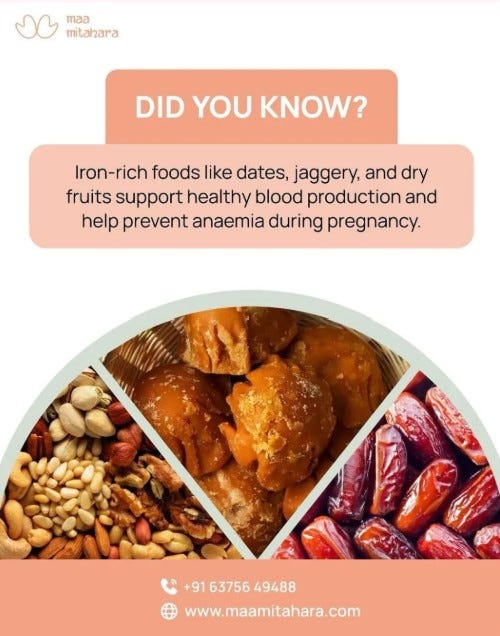
Iron helps produce healthy red blood cells and reduces the risk of anemia.
Good sources include:
- Green leafy vegetables
- Beans
- Lentils
- Lean meat
- Pumpkin seeds
Pair iron-rich foods with vitamin C-rich fruits like oranges or guava to improve iron absorption.
Calcium
Calcium supports strong bones and teeth for both mother and baby.
Include foods such as:
- Milk
- Yogurt
- Paneer
- Cheese
- Sesame seeds
- Almonds
Protein
Protein is essential for tissue growth and muscle development.
Healthy protein sources include:
- Eggs
- Lentils
- Dairy products
- Fish with low mercury content
- Chicken
- Tofu
Healthy Fats
Healthy fats contribute to brain and eye development.
Choose foods like:
- Walnuts
- Flaxseeds
- Chia seeds
- Avocados
- Mixed nuts
Best Foods to Eat During Pregnancy
If you’re thinking about what should pregnant women eat, focus on including a variety of colorful and natural foods every day.
Fresh Fruits
Fruits provide vitamins, minerals, antioxidants, and fiber.
Some excellent choices are:
- Apples
- Bananas
- Oranges
- Berries
- Pomegranates
- Seasonal fruits
Green Vegetables
Vegetables supply important nutrients like folate, calcium, and iron.
Add these to your meals:
- Spinach
- Fenugreek leaves
- Bottle gourd
- Carrots
- Beetroot
- Sweet potatoes
Whole Grains
Whole grains provide energy and fiber that help maintain healthy digestion.
Choose:
- Oats
- Brown rice
- Whole wheat
- Millets
- Quinoa
Dairy Products
Dairy foods provide calcium and high-quality protein.
Include:
- Milk
- Curd
- Greek yogurt
- Paneer
Nuts and Seeds
A handful of nuts and seeds makes a nutritious snack.
Good options include:
- Almonds
- Walnuts
- Pistachios
- Pumpkin seeds
- Sunflower seeds
Healthy Eating During Each Trimester
The first trimester can bring nausea and reduced appetite. Eating small meals throughout the day with foods like bananas, yogurt, crackers, and ginger may help.
During the second trimester, appetite usually improves. This is a good time to increase foods rich in protein, calcium, and iron.
In the third trimester, digestion may slow down. Eating smaller meals that include fiber-rich foods and drinking enough water can help improve digestion and reduce discomfort.
Many women continue asking what should pregnant women eat throughout pregnancy because nutritional needs change as the baby grows.
Healthy Snack Ideas
Healthy snacks can help maintain energy between meals.
Some simple ideas include:
- Fresh fruit with yogurt
- Roasted chickpeas
- Mixed nuts
- Vegetable sandwiches
- Homemade smoothies
- Sprouts salad
- Whole-grain toast with peanut butter
These snacks provide balanced nutrition without excessive sugar or unhealthy fats.
Foods to Avoid During Pregnancy
Some foods should be avoided or limited during pregnancy for safety.
These include:
- Raw or undercooked eggs
- Unpasteurized dairy products
- Undercooked meat
- High-mercury fish
- Excess caffeine
- Alcohol
- Highly processed junk food
Always wash fruits and vegetables thoroughly before eating.
Importance of Staying Hydrated
Water is essential throughout pregnancy. It supports digestion, improves circulation, helps maintain amniotic fluid levels, and reduces constipation.
Drink fluids such as:
- Water
- Coconut water
- Buttermilk
- Homemade soups
- Fresh fruit-infused water
Keeping yourself hydrated can also help reduce fatigue.
Easy Meal Planning Tips
Healthy eating becomes easier with a little planning.
Here are some practical tips:
- Eat small meals every three to four hours.
- Include protein in every meal.
- Fill half your plate with vegetables.
- Choose seasonal fruits.
- Avoid skipping breakfast.
- Keep healthy snacks ready.
- Cook fresh meals whenever possible.
Following these simple habits can help you maintain a balanced diet throughout pregnancy.
Building Healthy Eating Habits
There is no single perfect pregnancy diet because every woman has different nutritional needs. The best approach is to eat a variety of wholesome foods while following your doctor’s advice. If you have conditions such as gestational diabetes or anemia, your diet may need to be adjusted accordingly.
Many families also prefer traditional nutrient-rich foods prepared with natural ingredients. Maa Mitahara focuses on wholesome food choices inspired by traditional nutrition, which can be included as part of an overall balanced lifestyle along with fresh home-cooked meals.
Remember that consistency is more important than perfection. Small healthy choices every day can make a meaningful difference for both mother and baby.
Frequently Asked Questions
1. Which fruits are best during pregnancy?
Apples, oranges, bananas, berries, pomegranates, and other seasonal fruits are excellent choices because they provide vitamins, antioxidants, and fiber.
2. Can pregnant women eat dry fruits every day?
Yes, dry fruits like almonds, walnuts, raisins, dates, and pistachios can be eaten in moderation as part of a healthy diet.
3. How much protein is needed during pregnancy?
Protein needs increase during pregnancy. Your healthcare provider can recommend the right amount based on your health and stage of pregnancy.
4. Is it okay to eat sweets during pregnancy?
Yes, occasional sweets are acceptable, but they should be enjoyed in moderation while maintaining a nutritious diet.
5. Should pregnant women take supplements?
Many women require supplements like folic acid, iron, calcium, and vitamin D during pregnancy. Always take supplements only after consulting your healthcare provider.
Conclusion
Understanding what should pregnant women eat helps expecting mothers make informed food choices throughout pregnancy. A healthy diet should include fruits, vegetables, whole grains, proteins, dairy, healthy fats, and plenty of fluids. Limiting processed foods and focusing on fresh, nutrient-rich ingredients can support both maternal health and the baby’s development.
Healthy eating is not about following strict rules. It is about making balanced choices every day. Whether you prepare wholesome meals at home or include nutritious options from Maa Mitahara as part of your routine, consistency is the key to better health. By continuing to learn what should pregnant women eat and following medical guidance, mothers can enjoy a healthier and more confident pregnancy journey.
For more pregnancy nutrition tips, visit:
https://maamitahara.com/blogs/blog/what-should-pregnant-women-eat


Comments
Post a Comment