What Should Pregnant Women Eat for Safe Daily Nutrition?
Pregnancy changes everything — your body, your routine, your cravings, and even the way you think about food. One of the most common questions expecting mothers ask is What Should Pregnant Women Eat to support both their health and the baby’s development. The answer is not about eating fancy foods or following strict diet trends. It’s about building a balanced, nourishing, and realistic daily routine that feels easy to follow.
At Maa Mitahara, the focus has always been on wholesome, traditional nourishment, and that same practical wisdom applies here: food during pregnancy should be simple, nutrient-rich, and safe.
A healthy pregnancy diet should include a mix of proteins, healthy fats, complex carbohydrates, vitamins, minerals, and plenty of fluids. Instead of eating for two, think of it as eating smart for two.
Start the Day with Balanced Energy:
Breakfast sets the tone for the day, especially when morning sickness and low energy are common. A good breakfast should combine protein and fiber to keep blood sugar steady.
Some great options include:
- Oats porridge with nuts and seeds
- Whole wheat toast with peanut butter
- Fresh fruit with yogurt
- Vegetable poha or upma
- Boiled eggs with toast
These foods provide slow-releasing energy and help reduce sudden hunger crashes.
What Should Pregnant Women Eat in the First Trimester?
They first trimester can be tricky because nausea, food aversions, and fatigue often make eating difficult. During this phase, focus on foods that are light, easy to digest, and rich in folate.
Best choices include:
- Bananas
- Plain crackers
- Toast
- Rice with lentils
- Spinach
- Citrus fruits
- Avocado
- Lentils and beans
Folic acid is especially important in early pregnancy because it supports neural tube development. Foods naturally rich in folate include leafy greens, legumes, and oranges.
If nausea is strong, eating smaller meals every 2–3 hours often help more than large meals.
Prioritize Protein in Every Meal:
Protein is essential for your baby’s growth, especially for tissue and organ development.
Daily protein sources can include:
- Milk and curd
- Paneer
- Eggs
- Chicken or fish (well cooked)
- Lentils and chickpeas
- Tofu
- Nuts and seeds
A simple rule: try to include one protein source in every meal and snack.
For example:
- Breakfast: yogurt
- Lunch: dal
- Snack: roasted chana
- Dinner: paneer or eggs
This keeps energy levels stable and supports muscle repair and fetal growth.
Don’t Ignore Healthy Fats:
Healthy fats are crucial for brain development, especially omega-3 fatty acids.
Good sources include:
- Walnuts
- Flaxseeds
- Chia seeds
- Almonds
- Desi ghee in moderation
- Fatty fishlike salmon (if consumed and properly cooked)
These fats also help improve satiety, which can reduce unhealthy snacking.
Iron and Calcium Matter Every Single Day:
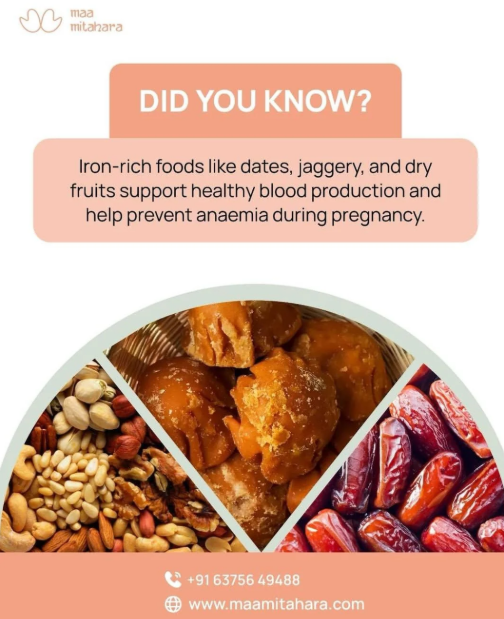
Many pregnant women develop iron deficiency, which may lead to tiredness and weakness. Iron-rich foods should be part of the daily diet.
Include:
- Beetroot
- Dates
- Raisins
- Spinach
- Jaggery in moderation
- Lentils
- Lean meat
Pair iron-rich foods with vitamin C sources like lemon, oranges, or amla to improve absorption.
Calcium is equally important for bones and teeth development.
Best calcium foods:
- Milk
- Curd
- Sesame seeds
- Ragi
- Paneer
- Almonds
A balanced plate with these foods can make daily nutrition much easier.
What Should Pregnant Women Eat for Safe Snacking?
Snacking during pregnancy is normal and often necessary. Instead of processed snacks, choose nutrient-dense options.
Try:
- Fruit with nuts
- Homemade laddus made from dry fruits and seeds
- Roasted makhana
- Coconut water
- Sprout salad
- Yogurt bowls
The idea is to satisfy hunger while adding nutrition.
This is where traditional, homemade-style foods can be helpful. Many families still rely on recipes inspired by Maa Mitahara-style nourishment because they combine convenience with nutrient value without feeling heavy.
Hydration Is Part of Nutrition Too:
Food alone is not enough. Hydration supports digestion, circulation, and amniotic fluid levels.
Aim for:
- 8–10 glasses of water daily
- Coconut water
- Buttermilk
- Fresh homemade soups
- Lemon water
Try to reduce sugary drinks and packaged juices.
Foods to Avoid for Safety:
Safe daily nutrition also means knowing what to avoid.
Stay away from:
- Raw or undercooked eggs
- Unpasteurized dairy
- Excess caffeine
- Raw fish
- Processed meats
- Street food with poor hygiene
- High-mercury fish
Fresh, home-cooked meals remain the safest choice.
FAQs:
1. What Should Pregnant Women Eat every day for complete nutrition?
A balanced daily diet should include protein, calcium, iron, healthy fats, fruits, vegetables, and whole grains. Small, frequent meals often work best.
2. How many meals should a pregnant woman eat?
Usually 3 main meals and 2–3 healthy snacks help maintain steady energy and reduce acidity.
3. Can traditional foods be part of pregnancy nutrition?
Yes, absolutely. Many traditional recipes shared by Maa Mitahara and similar home-style approaches focus on wholesome ingredients like dry fruits, seeds, jaggery, and grains, which can be highly nourishing when eaten in moderation.
4. Is it okay to eat sweets?
Yes, in moderation. Prefer homemade sweets made with natural ingredients over processed desserts.
5. How much water should be consumed?
At least 8–10 glasses daily, more if the weather is hot or if there is vomiting.
Conclusion:
In the end, What Should Pregnant Women Eat is less about strict dieting and more about consistency, balance, and safety. A simple routine of fresh meals, healthy snacks, enough water, and nutrient-rich ingredients can make a huge difference throughout pregnancy. Trusted, traditional food wisdom — like the kind often associated with Maa Mitahara — reminds us that nourishment should feel natural, comforting, and genuinely useful for everyday life.
Read our complete guide here: https://maamitahara.com/blogs/news/what-should-pregnant-women-eat


Comments
Post a Comment